History, art, food — Italy is the country where every classic of European travel comes together. Precisely because information about it is endless, Travelers Route keeps to what we can vouch for: our own July 2022 run of three nights in Venice and two in Rome, and the prices and booking systems we re-verified as of 2026. In today’s Italy, the quality of the experience hinges on how you line up your reservations — the Colosseum and the Vatican are advance-online, named-ticket affairs, and Venice charges an access fee. Get the logistics right, and you can savor to the full the luxury of cities that are museums in themselves.
If you would rather start from what there is to see, Italy: 10 Top Attractions lays out the classics in the order you would actually walk them, with prices and timings.
By length of stay: choose from your travel style
- Around 4 days — Rome, concentrated: split it into a Vatican day and an ancient-Rome day, with piazza walks at night
- 6–7 days — Venice + Rome: three nights in the city on the water, then a domestic flight or high-speed train to Rome. The contrast between two cities of such different character is exquisite
- 10+ days — a two-country circuit with Greece: settle into an Aegean island first, then dive into Italy’s density. The full design is in our road-tested 12-day route
Essential prep before you go — in this country, advance booking is the trip itself
- Vatican Museums — tickets go on sale 60 days out at midnight Central European Time; €25 online; named tickets, passport required
- Colosseum — on sale about 30 days out; the standard 24-hour combined ticket is €18 (includes the Roman Forum and more); named tickets. Underground-access tickets sell out immediately
- Venice access fee — in 2026 it applies on 60 days between April 3 and July 26; day visitors pay €5–10. Overnight guests are exempt, but advance registration and a QR code are required
- ETIAS / EES — the Schengen area’s new common procedures. For the latest, see the ETIAS guide
(All as of July 2026.) Once your dates are set, put the on-sale dates in your calendar and secure everything by counting backwards — that scheduling is the real work of cracking Italy.
Go deeper by theme
- History — Rome: the Colosseum, the Roman Forum, the Pantheon. Two thousand years of strata, walked in a single day
- Art and architecture — the Sistine Chapel at the Vatican, and the golden mosaics of St. Mark’s in Venice
- Views and city walks — Venice’s canals and outer islands, and Rome’s piazzas by night
- Food — Rome’s thin-crust pizza, the birthplace of carbonara, and lagoon seafood in Venice
- Route design — the Greece-to-Italy two-country itinerary
Best season and budget benchmarks
The best seasons are spring (April–June) and fall (September–October). July and August stack heat, crowds and prices into a triple peak, and seeing the ruins takes some planning to fit into early morning and evening (the saving grace of this country: the piazzas at night are the perfect escape). Rome Fiumicino (FCO) is the main long-haul gateway (as of July 2026). Admission at the major sights runs €5–25 per spot; hotels are priciest on the island of Venice and in Rome’s old center, and you can adjust by staying near the stations or on the mainland side.
What we’ll dig into next
Italy is a country awash in information, which is exactly why this site writes only about cities we have actually traveled. For now that means Venice and Rome, plus the connecting circuit with Greece. Florence, Milan and the south will be added once we have walked them — the same policy as for Portugal, Spain, Morocco and Greece, which we have already traveled.
Scenes of Italy
Photos taken on location by our editorial team.


Italy articles
-
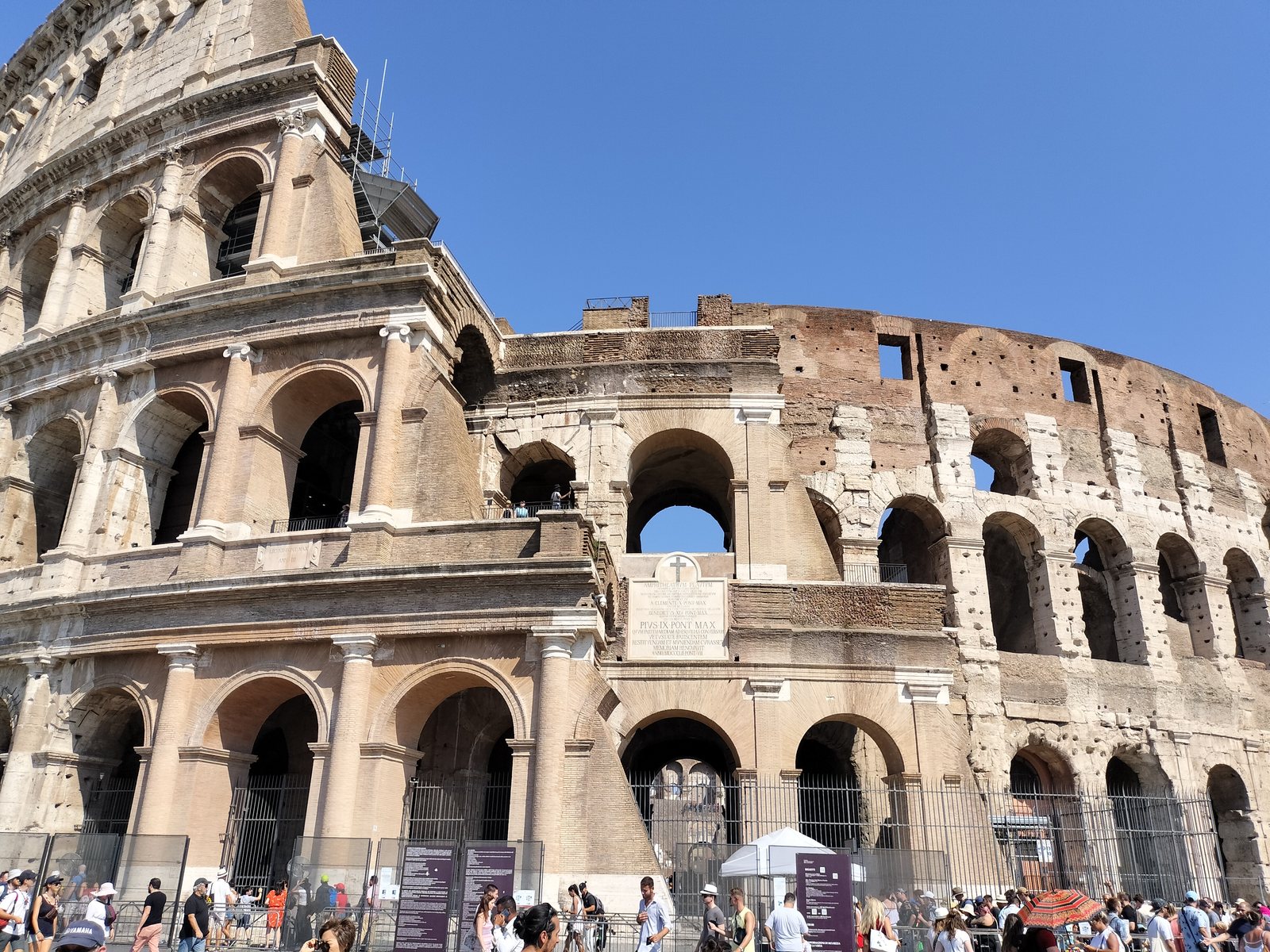
Italy: 10 Top Attractions — Rome and Venice in One Route
The Sistine Chapel on an early slot, a €18 ticket that is really a day pass for ancient Rome, gold mosaics in St Mark’s, and the choice between a €90 gondola and a €2 traghetto. Five in Rome and five in Venice, with release dates, prices and the access fee.
-
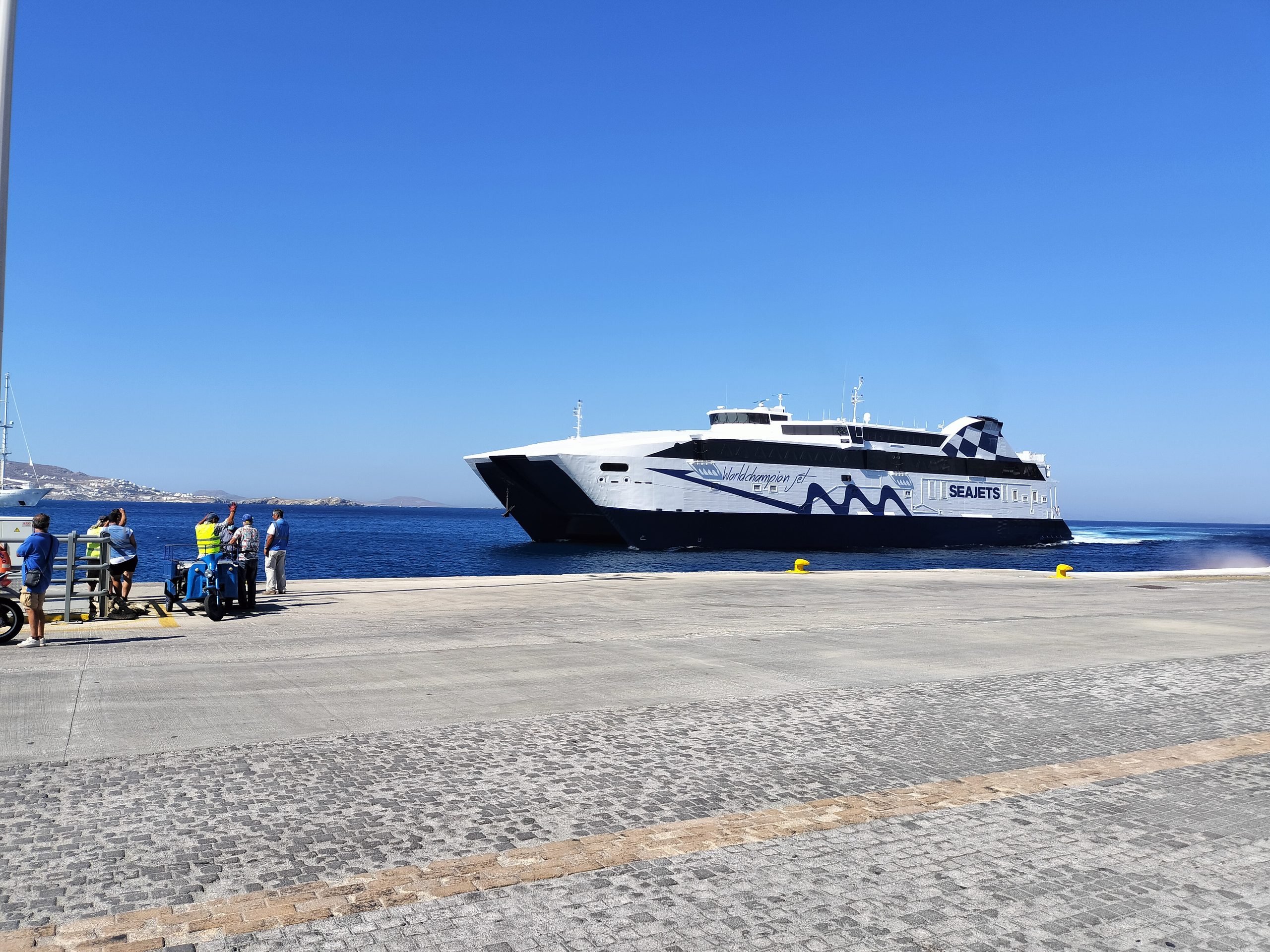
Greece & Italy Itinerary — Aegean Islands First, Then Venice and Rome
A 12-day two-country route: Mykonos and Santorini for sea and sunsets, a summer nonstop to Venice, then Rome — with the booking sequence that makes it work.
-
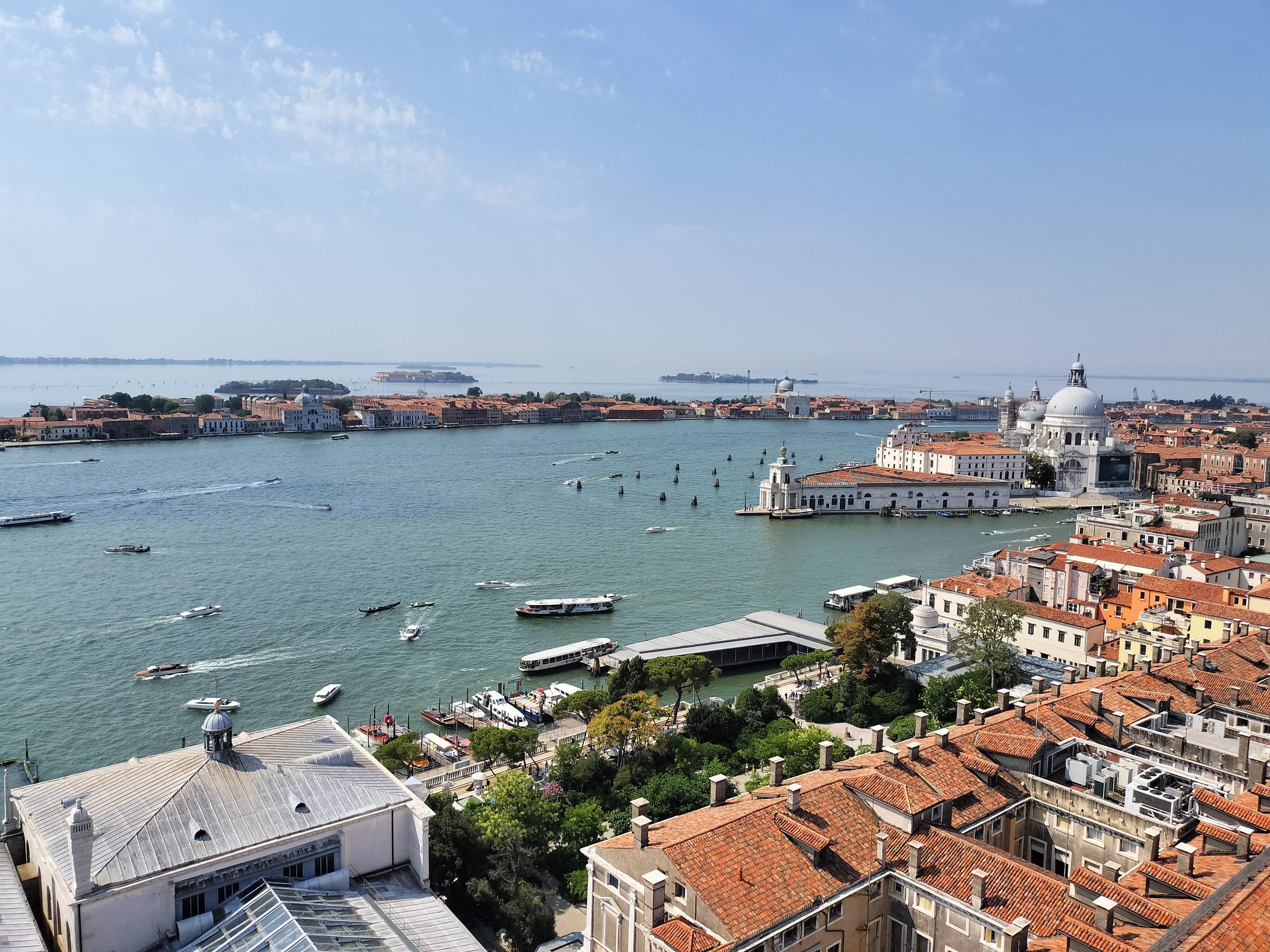
Venice Travel Guide — San Marco, Lagoon Islands and Staying Overnight
Venice rewards those who stay: St Mark’s and the Doge’s Palace, vaporetto and gondola logistics, Murano, Burano and Torcello, and the 2026 access fee explained.
-
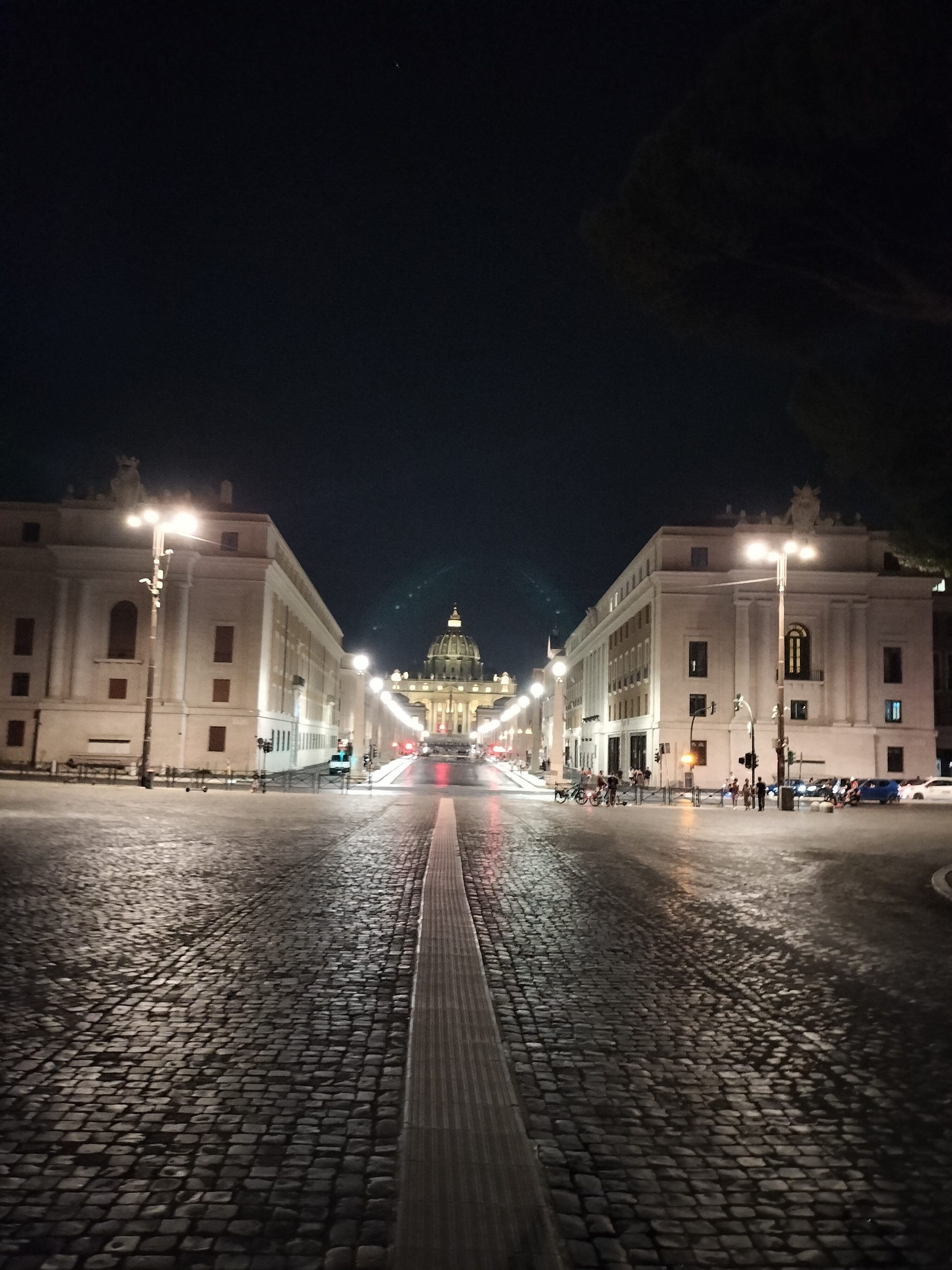
Rome Travel Guide — Booking the Vatican and Colosseum, and the City at Night
Rome runs on booking logistics now. When to book the Vatican and the Colosseum, how to split your days, and why the city is at its best after dark.


About Travelers Route
Travelers Route is a travel publication that stays with you from choosing a destination to shaping the trip itself. Our Italy articles are based on a road-tested July 2022 trip (the experiences and the structure) and on facts — prices and booking systems — re-verified as of 2026. For how we operate, see About and our editorial policy.
This country’s history, through places you can visit
Rome at the center of an empire, Venice a republic of the sea. A country where you can still stand under a two-thousand-year-old roof.
The Colosseum opens
Hadrian rebuilds the Pantheon
Venice moves its glass furnaces to Murano

Michelangelo finishes the Sistine Chapel ceiling