
The Serengeti, where the wildebeest migration fills the horizon; the vast Ngorongoro caldera, home to some 25,000 animals; Lake Natron, with its flamingos and an active volcano — northern Tanzania is the primal landscape of the African safari. In June 2025, Travelers Route drove the six-day northern circuit out of Arusha (Lake Natron → Serengeti → Ngorongoro). This guide digs into the country, drawing on that trip, with every price and rule re-checked as of 2026.
If you would rather start from what there is to see, Tanzania: 9 Top Attractions lays out the classics in the order you would actually walk them, with prices and timings.
How many days? Choose by travel style
- The 6-day northern circuit — the itinerary we actually drove: the classic loop from Arusha taking in the Serengeti migration, Ngorongoro, and Lake Natron. Costs, the eVisa, and health prep are all covered in a single guide
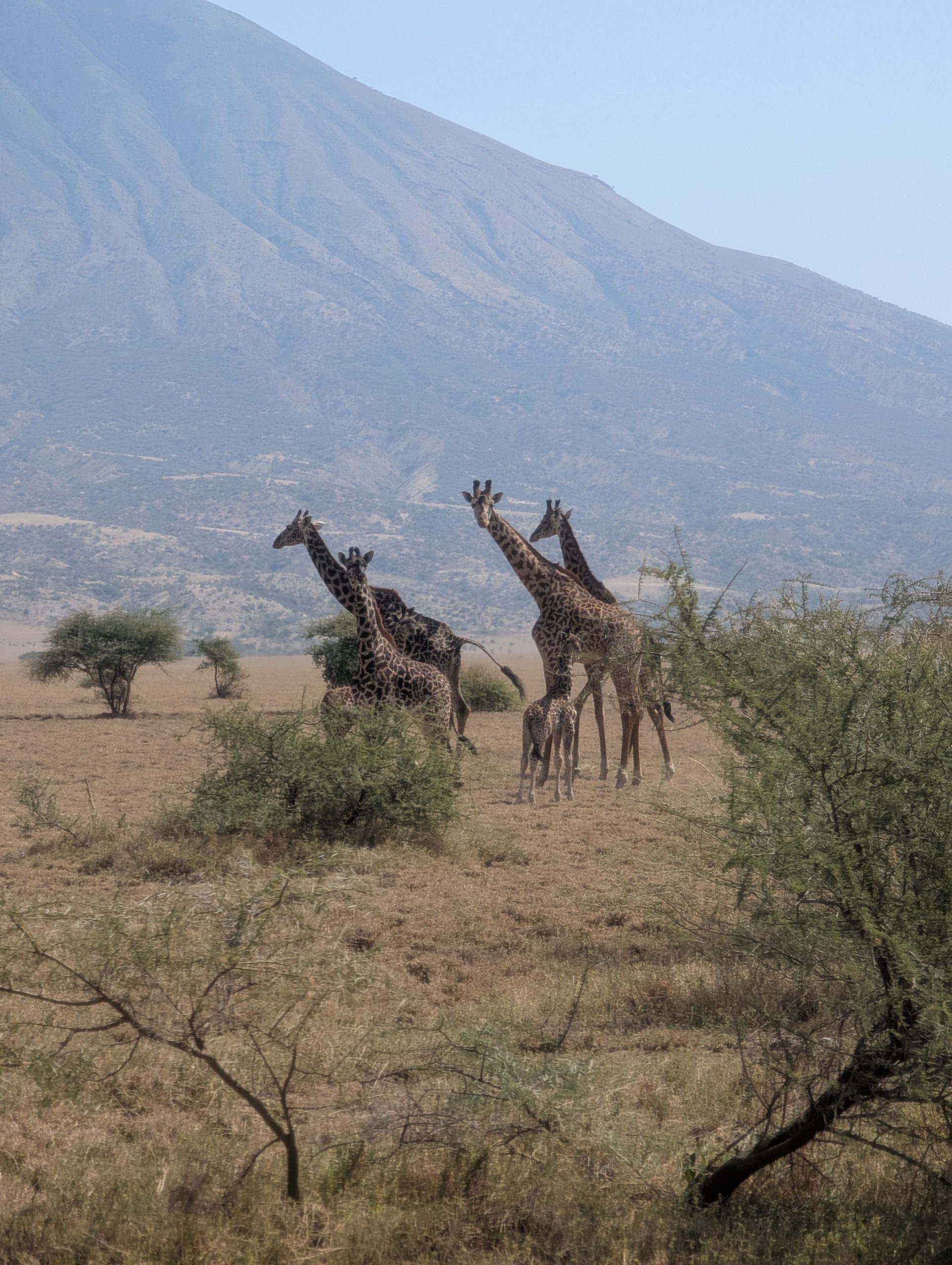
- Adding a night off the beaten path: Lake Natron (a waterfall hike, flamingos, and Lengai, the sacred “Mountain of God”) is the untouristed “other Africa.” It slots naturally into a western Serengeti routing as an overnight stop
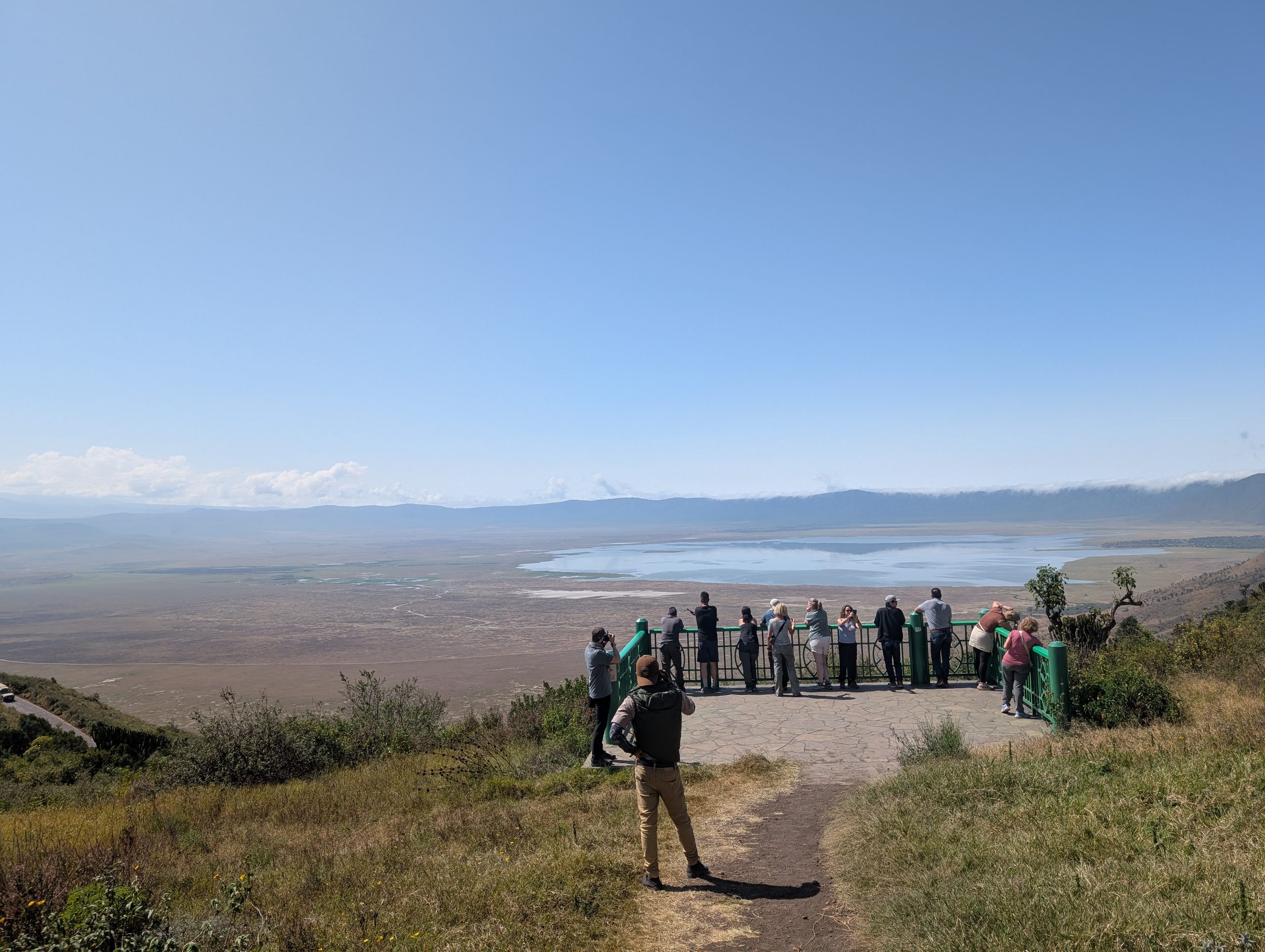
- Half a day at peak wildlife density: the Ngorongoro Crater is not a safari where you search for wildlife — it is one where the wildlife washes over you. The standard move is to fold in half a day on the way back
Essential prep before you go
Tanzania requires a visa from every visitor — an eVisa at US$50 (US$100 for US passport holders, who must get the multiple-entry visa) (online applications only; issuance delays are common, and embassies recommend applying at least two weeks before departure). Health advice is high-stakes territory, so always go to primary sources — malaria risk is year-round (pack mosquito protection and consult a doctor about prophylaxis before travel), and a yellow fever vaccination certificate can be required if you transit a risk country, such as Kenya via Nairobi, for more than 12 hours (check your government’s latest travel advice and the Tanzanian embassy). Safaris are essentially arranged through tour operators — permits such as the Ngorongoro crater descent fee ($295 per vehicle) cannot be booked individually. Cash is often not accepted inside the parks, but it pays to carry small US$ bills for tips (as of July 2026).
Go deeper by theme
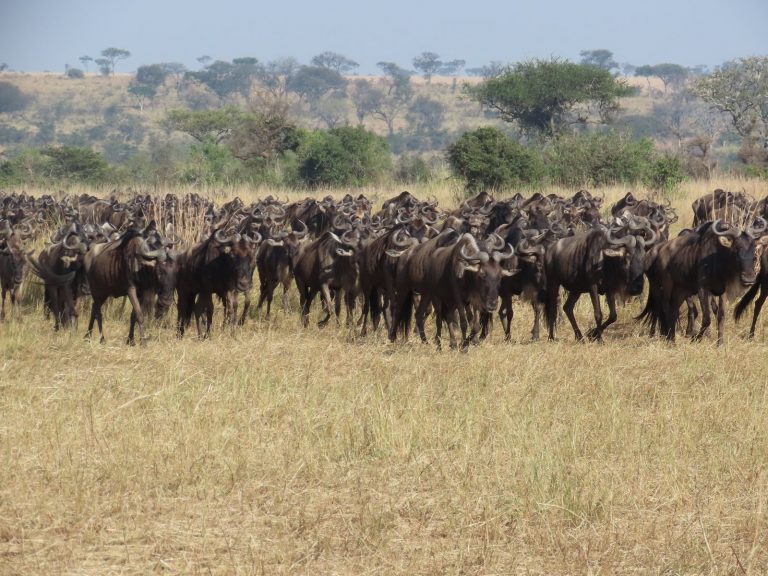
- The migration and big game — the Serengeti wildebeest migration (northern and western Serengeti in Jun–Jul)
- High-density safari — the Ngorongoro Crater (black rhino, hippos, herds of zebra)
- Remote trekking — Lake Natron’s Ngare Sero waterfall hike and its flamingos
- Volcanic vistas — the savanna views of Ol Doinyo Lengai, the Maasai “Mountain of God”
Best time to go and typical budget
The best window is the June–October dry season — the roads firm up and wildlife gathers at the waterholes, where it is easiest to watch. The wildebeest migration keeps moving, so aim for the northern and western Serengeti in June–July (the herds head south in October–November). Safari budgets are large by nature: US$300–650 per person per day is the going rate for packages (park fees, lodging, 4WD, guide, and meals included). On top of that come the eVisa, international flights, and tips (a guideline of $20–25 per day for your guide). The gateway is Kilimanjaro International Airport (JRO), about an hour’s drive from Arusha; there are no direct flights from Japan, and Qatar Airways via Doha was the most direct routing for us.
Into Africa — where the coverage expands from here
Tanzania is our second African country after Morocco, and the starting point for safari as one of this site’s major themes. As with Iceland and Portugal, the coverage will grow outward from the places we have actually traveled. Zanzibar, the island of beaches and spices, along with Tarangire, Lake Manyara, and hot-air-balloon safaris will come once we have sorted our material and made time for a return visit.
Scenes from Tanzania
Photos taken on location by our editorial team.


Tanzania articles
-

Tanzania: 9 Top Attractions — the Northern Circuit from Arusha
A wildebeest column you measure in density rather than numbers, a crater 19 km across where the grammar of the safari changes, flamingos on a caustic lake below the Mountain of God, and the Milky Way over a tented camp. Nine spots with the layers of the cost spelled out.
-
Lake Natron Travel Guide — Flamingos, Waterfalls and a Sacred Volcano
Off Tanzania’s safari circuit: flamingos on a soda lake, the sacred volcano Ol Doinyo Lengai, and a waterfall hike with a Maasai guide — plus costs and logistics.
-
Ngorongoro Crater Safari Guide — Fees, Timing and What You Really See
A caldera 19 km across holding 25,000 large animals. How the crater fees work, how to run the half-day game drive, and an honest look at seeing black rhino.
-
Tanzania Safari Itinerary — Serengeti, Ngorongoro, Costs and Seasons
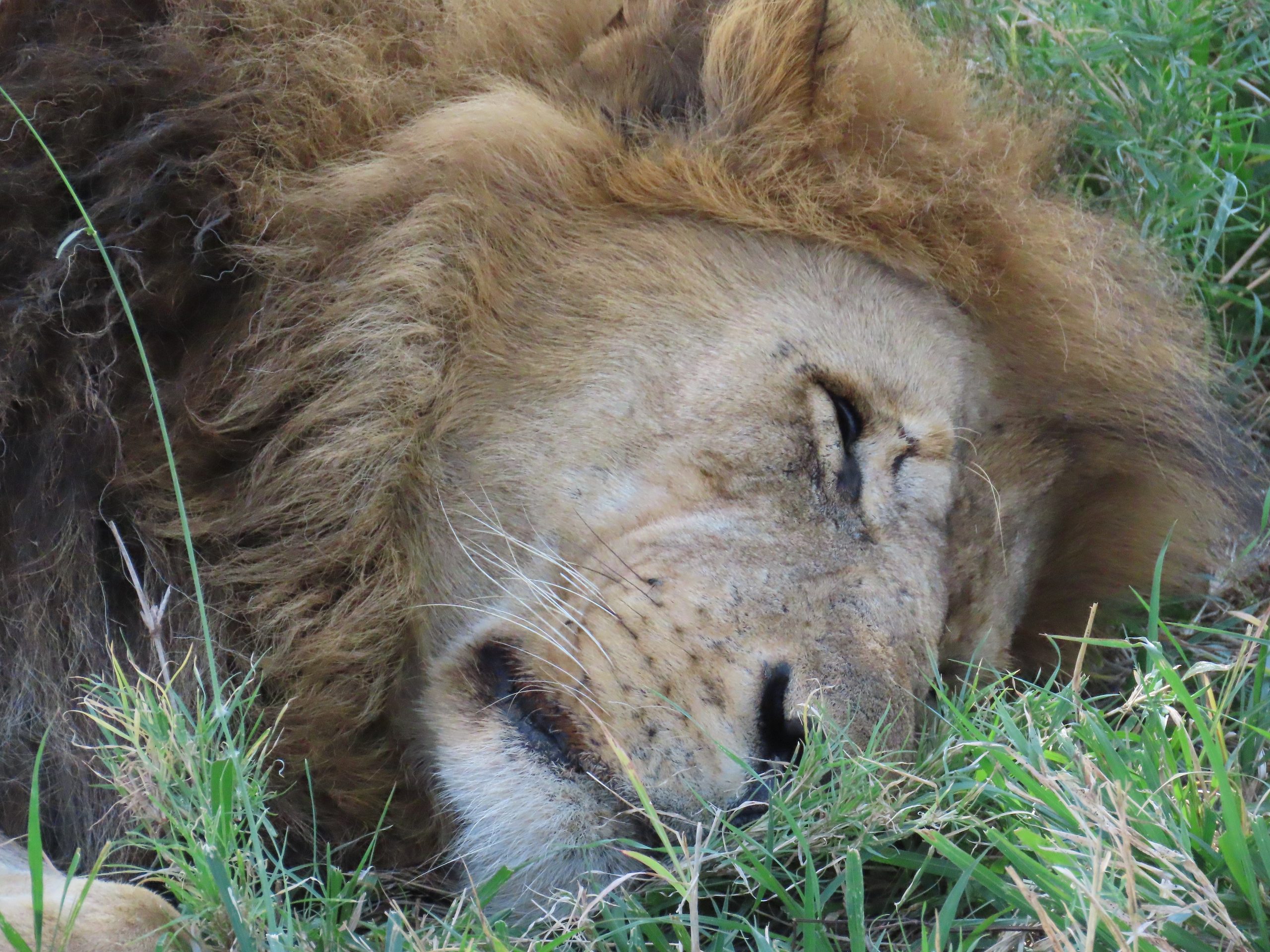
A first-hand guide to Tanzania’s northern safari circuit — Serengeti, Ngorongoro and Lake Natron — with costs, visas, the best season and what the days feel like.


About Travelers Route
Travelers Route is a travel publication that stays with you from choosing where to go through shaping what you do there. Our Tanzania articles are built on our June 2025 trip (the experiences and the photos) and on facts — park fees, entry rules, health — re-verified as of 2026. For anything touching health or safety, always confirm the latest primary information from official government and embassy sources. See About and our editorial policy for how we work.