
Colorful houses along the canal, a 17th-century tower you climb by spiral ramp, a star-shaped fortress turning red and gold in autumn, and the garden amusement park of 1843 that the whole world went on to imitate — Denmark is a country where you can feel hygge (coziness) across an entire city. Travelers Route stayed in Copenhagen in October 2025, using it as the hub for a round trip to Iceland, and walked the city in its autumn colors. This guide digs into Denmark based on that record, with every price and rule re-checked as of 2026.
If you would rather start from what there is to see, Denmark: 8 Top Attractions lays out the classics in the order you would actually walk them, with prices and timings.
If safety is on your mind, read Is Denmark Safe? The Image, and the Cases Behind It first — it works through the official advisory, where incidents actually happen, and what to do about it.
By length of stay: choose your style of trip
- Two days — the itinerary we actually traveled: a classic two days built around Nyhavn by morning and night, smørrebrød, Rosenborg Castle and the Little Mermaid. The city is compact enough to cover entirely on foot and by bike
- Add a half day of towers and ramparts: string together the Round Tower, Kastellet, the Little Mermaid and a bike ride and you feel the city’s contours and its history in your legs
- If the season lines up, spend the evening at Tivoli: Tivoli Gardens only opens seasonally. If your dates hit Halloween (October) or the Christmas period, it is the only evening plan you need
Essential prep before you go
Denmark is in the Schengen Area — tourist stays of up to 90 days are visa-free for many nationalities (once ETIAS launches, visa-exempt travelers will need to apply in advance — expected during 2026). Note that Denmark uses the Danish krone (DKK), not the euro — though the country is so thoroughly cashless that you will barely miss having cash at all. If you plan a packed stay, the Copenhagen Card is powerful: unlimited public transport plus admission to major sights including Tivoli and Rosenborg Castle. The Round Tower (40 DKK) is covered too. And since Tivoli is not open year-round, always check the official opening calendar before you build your itinerary (as of July 2026).
Dig deeper by theme
- City walks and views — the Round Tower’s spiral ramp and Kastellet in autumn colors
- A seasonal amusement park — Tivoli Gardens (Halloween and Christmas decorations, illuminations after dark)
- The classics — Nyhavn, smørrebrød, Rosenborg Castle and the Little Mermaid
- Bike culture — riding one of the world’s great cycling cities (dedicated lanes, dedicated signals)
Best season and typical budget
The best season is May to September, with long days that edge toward white nights — but the October foliage we saw, overlapping with Halloween at Tivoli, was special in its own right. Prices are high in true Nordic fashion (a restaurant meal 150–250 DKK, central hotels from around 1,000 DKK a night), but the saving grace is that the city is compact — you can cover it on foot and by bike, which keeps transport costs down. With a Copenhagen Card, the more you pack in, the more it pays for itself. Winter days are short and cold, but in exchange they bring the Christmas markets and Tivoli’s illuminations — pleasures that belong to the dark season alone.
To the Nordics and Europe — our coverage grows from here
Our stay in Denmark was the round-trip hub for our Iceland journey. Copenhagen is a superb gateway hub for the Nordics and cities across Europe, and building one or two nights around a connection is a realistic way to use it. As with Portugal and the Netherlands, we expand our coverage outward from the cities we have actually traveled. Sweden (Malmö is just across the strait) and Norway will follow once we have made a return visit.
Scenes from Denmark
Photos taken on location by our editorial team.


Denmark articles
-

Denmark: 8 Top Attractions — Copenhagen in Two Days, in Order
Denmark’s classic eight, split into four along the water and four inland, with prices, timings and where to walk next.
-
Is Denmark Safe? The Image, and the Cases Behind It
Nyhavn, Amalienborg and the Little Mermaid — the places named are exactly the visitor route. The fixed methods of “let me help with your bags”, scattered coins and a stain on your clothes, why Asian visitors are targeted, and the cashless defence.
-

Denmark & Iceland Itinerary — One Copenhagen Layover, Two Countries
How to pair Copenhagen and Iceland in one trip: flight connections via CPH, the 2-5-1 night split, rental-car logistics and the late-October aurora window.
-
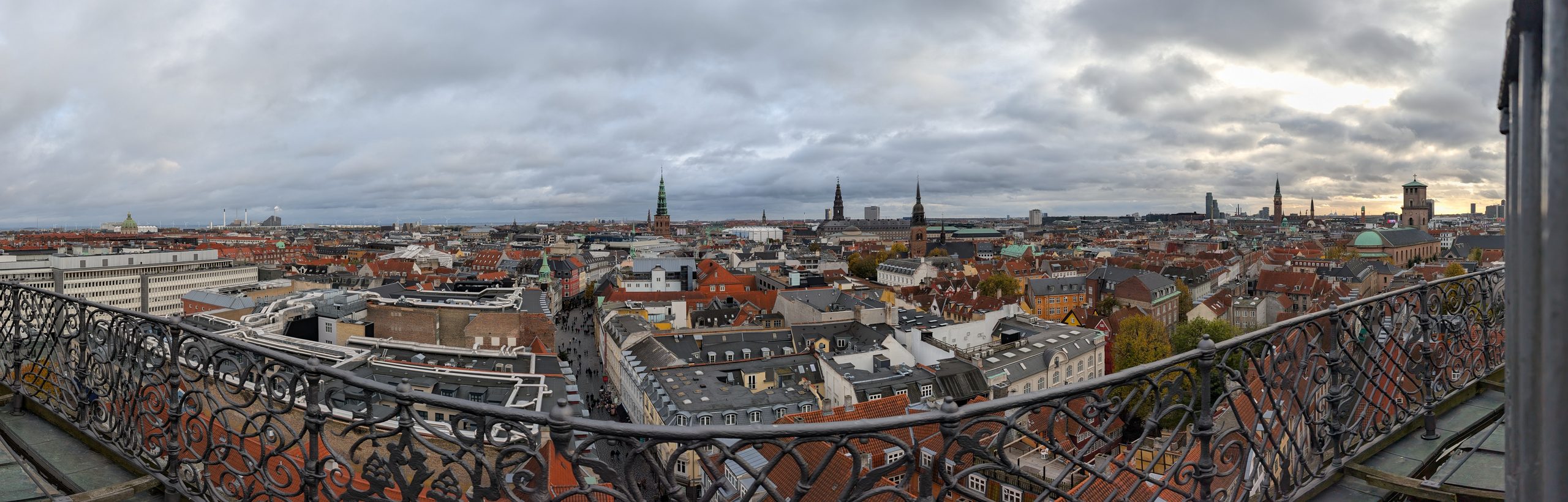
Copenhagen Towers Walk — Round Tower, Kastellet and a Canal Bike Ride
A half-day Copenhagen route seen from above: climb the Round Tower’s spiral ramp, walk the star fortress of Kastellet, then cycle the canals to Nyhavn.
-
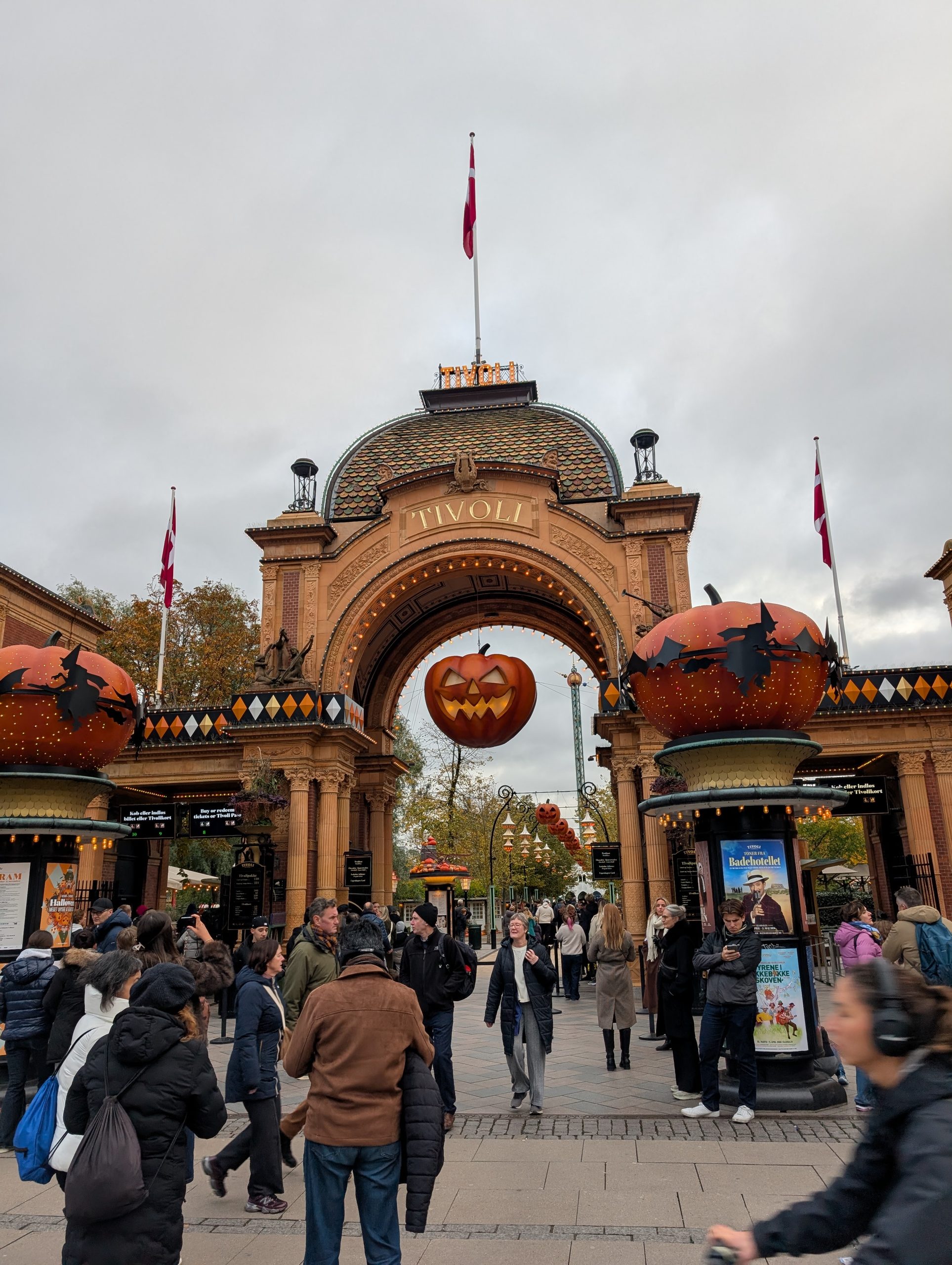
Tivoli Gardens, Copenhagen — Inside the 1843 Garden of Seasons
Opposite Copenhagen Central Station sits a pleasure garden from 1843. Tickets, seasons and why Tivoli belongs to the night — from a first-hand Halloween visit.
-
Copenhagen Travel Guide — Nyhavn, Smørrebrød and the Two-Day Core
Copenhagen in two days: Nyhavn morning and night, a waterfront walk to the Little Mermaid, smørrebrød at Torvehallerne, Rosenborg Castle and Danish design.


About Travelers Route
Travelers Route is a travel publication that walks with you from choosing a destination to shaping the trip itself. Our Denmark coverage is based on our own October 2025 trip (experiences and photos), with the facts — admission fees, opening seasons — re-checked as of 2026. See About and our editorial policy for how we work.
This country’s history, through places you can visit
Copenhagen keeps the towers, fortress and canals left by its seventeenth-century kings — close enough together to walk in half a day.


