
Steaming lava fields, calving glaciers, black-sand beaches, and the aurora swirling across the night sky — Iceland is a place where the word “scenic” falls short: this is an island for experiencing the planet itself. Travelers Route spent five days self-driving the island in October–November 2025 (Blue Lagoon → Golden Circle → inside a volcano → the south coast → a glacier hike and an ice cave, capped by a corona-class aurora). This guide digs into Iceland, drawing on that trip, with every price and rule re-checked as of 2026.
If you would rather start from what there is to see, Iceland: 12 Top Attractions lays out the classics in the order you would actually walk them, with prices and timings.
How many days? Choose by travel style
- 4 days — the golden classics: Blue Lagoon + the Golden Circle + the south coast (black-sand beach and glacier lagoon), condensed. The minimum build for a first visit
- 5 days — the itinerary we actually drove: five days that descend inside a volcano, walk on a glacier, and enter an ice cave. The “experience the planet” full works
- 7 days — more chances at the aurora: add buffer days to the above and spend the nights waiting for the lights. Land one clear night and you have won
Essential prep before you go
Iceland is part of the Schengen Area, so tourist stays of up to 90 days are visa-free for visa-exempt nationalities (once ETIAS launches, pre-travel authorization will be required — expected during 2026). The country is almost completely cashless; a single credit card is all you need. What really makes or breaks the trip are apps and clothing — before departure, put vedur.is (weather and aurora), road.is (road conditions), and Parka (parking payments) on your phone. Even at the height of summer, windproof and waterproof layers are essential; in winter, dress as you would for a ski slope and add shoe spikes (as of July 2026).
Go deeper by theme
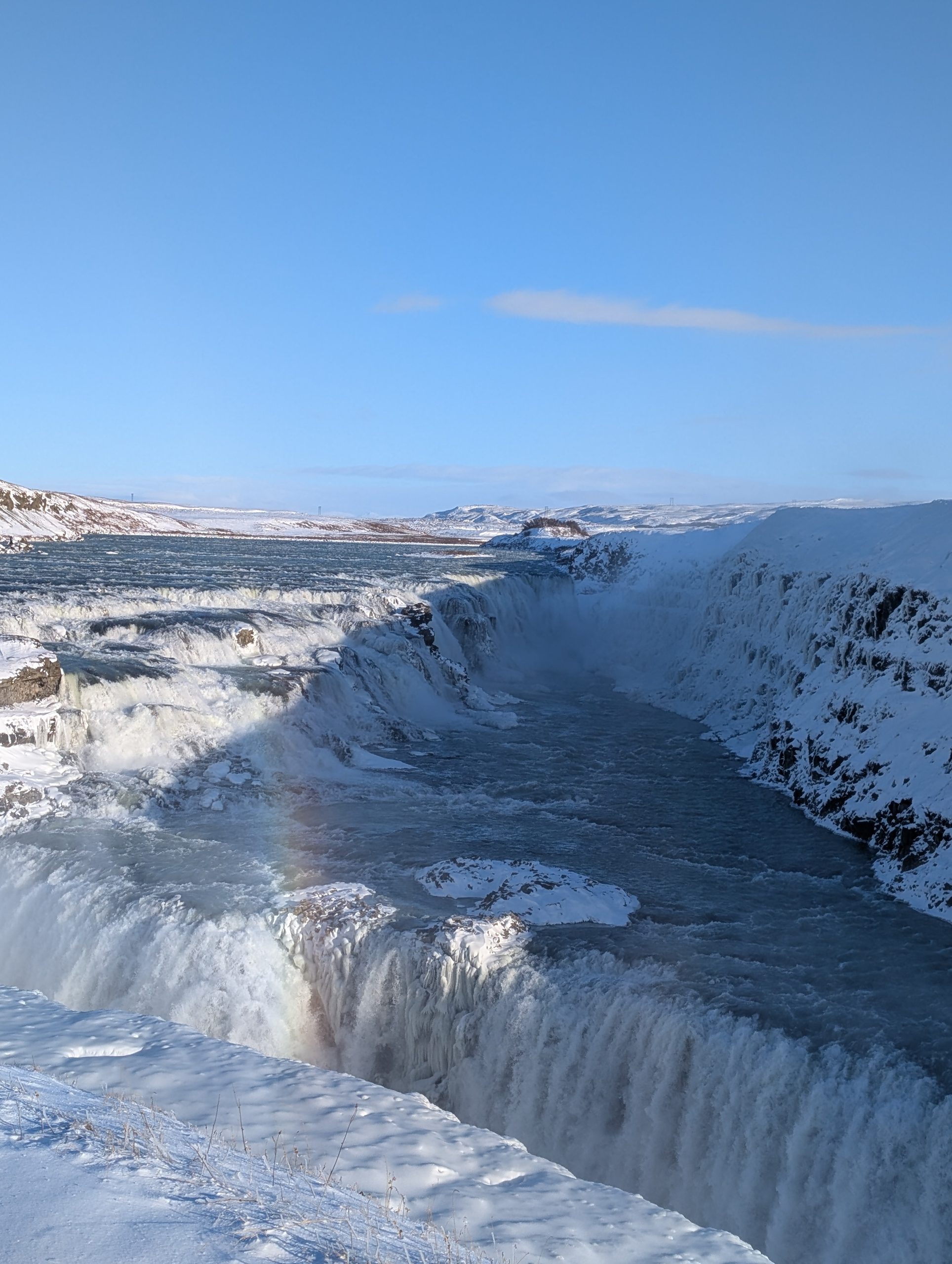
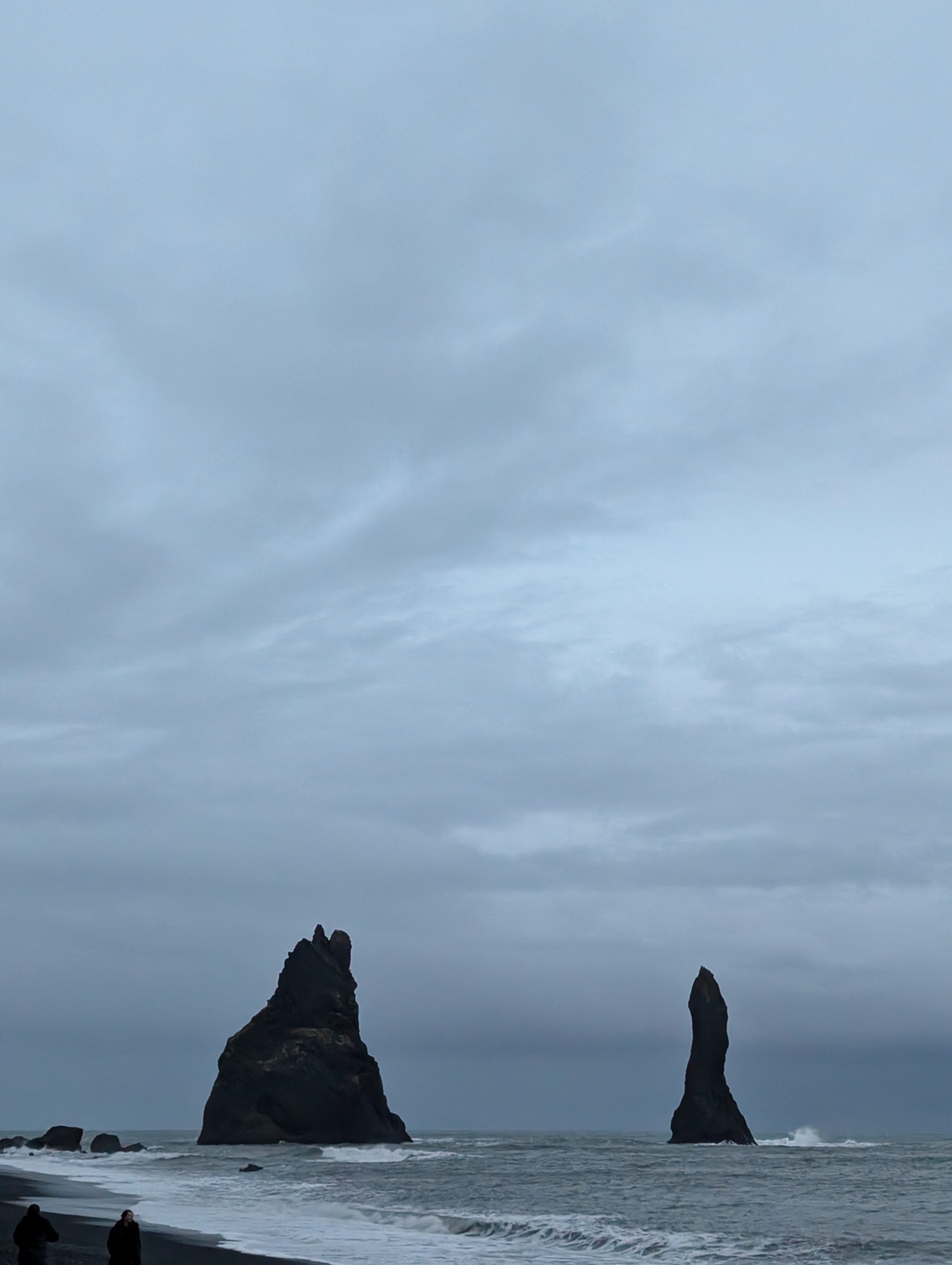
- The classic sights — the Golden Circle (Gullfoss, the geysers, the rift valley) and the south coast (Reynisfjara black-sand beach, Jökulsárlón glacier lagoon)
- Experiencing the planet — descending into a magma chamber on Inside the Volcano (May–Oct), glacier hiking, and ice caves (Nov–Mar)
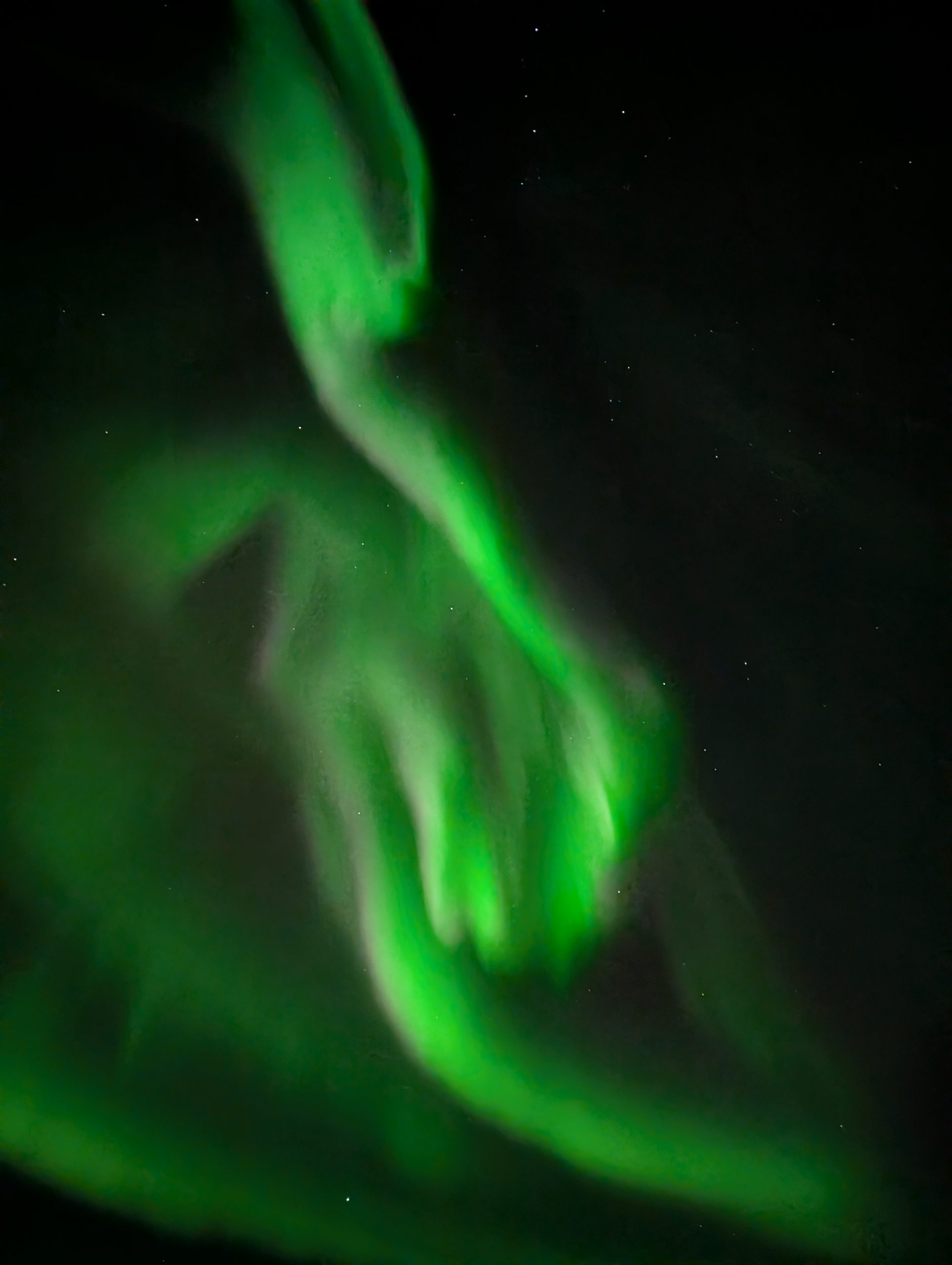
- After dark — our northern lights guide (KP 2–4 is plenty; the real battle is with the clouds; 2024–2028 is a solar-maximum sweet spot)
- Hot springs — the Blue Lagoon (reservation-only, dynamic pricing), plus geothermal pools in town after town. An open-air soak with snow falling is a winter privilege
Best time to go and typical budget
The scenery works year-round; the aurora season runs from mid-September to early April. Summer (Jun–Aug) brings the midnight sun and the longest activity hours, while winter adds ice caves and auroras in exchange for weather risk. The sweet spots are Sep–Oct and Mar–Apr, when the two overlap — on our late-October trip we toured the sights on eight hours of daylight and caught a corona-class aurora at night. Prices are among the highest in Europe (as benchmarks in Japanese yen: roughly ¥3,000–5,000 per restaurant meal and ¥20,000–40,000 per night for lodging), but supermarket self-catering and guesthouses bring costs down substantially. For getting around, a rental car is the only real choice (check road.is every morning on winter roads). If you would rather not drive, base yourself in Reykjavík and string together day tours.
Via the Nordics — where the coverage expands from here
Iceland’s international gateway is Keflavík (KEF); with no direct flights from Japan, our journey ran through Europe. Our pick was Copenhagen — two nights outbound and one on the return, folding the hygge capital and the volcanic island into a single trip. As with our European coverage (Portugal, Spain, Italy and more) and our USA guide, the Iceland coverage will grow outward from the places we have actually traveled.
Scenes from Iceland
Photos taken on location by our editorial team.


Iceland articles
-
Iceland: 12 Top Attractions — Waterfalls, Glaciers and Geothermal, in Order
Iceland’s classic twelve, sorted into the airport area, the Golden Circle, the south coast and two experiences, with prices, timings and where to drive next.
-
Denmark & Iceland Itinerary — One Copenhagen Layover, Two Countries
How to pair Copenhagen and Iceland in one trip: flight connections via CPH, the 2-5-1 night split, rental-car logistics and the late-October aurora window.
-
Iceland’s South Coast — Reynisfjara to Jökulsárlón Glacier Lagoon
How to drive Iceland’s South Coast from Reynisfjara black sand beach to Jökulsárlón glacier lagoon — parking, a 2-day route and the safety rules that matter.
-
Iceland Northern Lights Guide — How to Engineer Your Aurora Night
Iceland sits under the auroral belt, so KP 2–4 is enough — the real enemy is cloud. Reading vedur.is, tour vs self-drive, and how we caught a corona-class outburst.
-
Iceland 5-Day Itinerary — Golden Circle, South Coast and Ice Caves
A five-day Iceland itinerary driven first-hand: the Blue Lagoon, the Golden Circle, the south coast to Jökulsárlón, glacier hikes, ice caves and aurora hunts.


About Travelers Route
Travelers Route is a travel publication that stays with you from choosing where to go through shaping what you do there. Our Iceland articles are built on our own October–November 2025 trip (the experiences and the photos) and on facts — prices and rules — re-verified as of 2026. See About and our editorial policy for how we work.
This country’s history, through places you can visit
In 930 an assembly of the whole island met in a rift in the earth; it is among the oldest surviving parliaments.
The Althing, the all-island assembly, first meets at Þingvellir