
Port is Portugal’s flagship fortified wine, aged in the lodges of Vila Nova de Gaia, across the river from Porto. Brandy is added mid-ferment to wine from grapes grown in the Douro Valley, preserving the sweetness and body while raising the strength — one of the world’s three great fortified wines. This guide covers the styles of port, how the Gaia cellar (lodge) visits work, tasting basics, the Douro Valley wineries, and how to buy and carry bottles home — the essentials for a first-timer to taste the real thing.
What port is — the Douro’s sweet jewel
Port is pressed from grapes grown on the steep terraced vineyards of the World Heritage Douro Valley; brandy is added partway through fermentation to stop it. The residual sugar keeps it sweet, at around 20% alcohol. It is the classic after-dinner wine, paired with cheese or chocolate. Because British merchants historically ran the trade, grand English-rooted houses — Taylor’s, Graham’s, Sandeman — still stand side by side today.
Know the styles — what should you order?

| Style | Character | Best for |
|---|---|---|
| Ruby | Young, strongly fruity, affordable | A first glass |
| Tawny (10/20/30/40 years) | Barrel-aged; nut and caramel notes | Exploring depth and age |
| White | White grapes; chilled, works before dinner too | Anyone who finds port too sweet |
| Vintage / LBV | Concentrated single great years, built for long aging | The serious bottle, the special occasion |
If in doubt, order a 10-year tawny — the balance of price and aged character rarely misses. Order a tasting flight and the difference between ruby and tawny explains itself in one sitting.
Touring the Gaia cellars
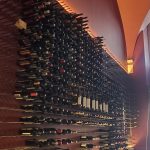
In Vila Nova de Gaia, just across the Dom Luís I bridge from Porto, the great houses’ lodges line the riverbank. Taylor’s, Graham’s, Sandeman, Cálem, Ferreira and more all run visits with tastings. Allow 45 minutes to an hour; the standard format pairs a cellar tour with two or three tastings. Expect €20–30 per person for a standard visit and tasting (examples: Taylor’s from €25 for the audio-guided visit with two wines; Sandeman from €22 guided with three; premium flights built around aged tawnies run past €50 — as of July 2026). All can be booked directly on the official sites, and the popular houses and time slots do sell out, so reserving ahead is the safe play. One or two lodges done properly will satisfy more than a string of rushed ones.
GetYourGuide
Book a Porto port-cellar visit and tasting
Cellar tours and tastings at Gaia's great houses — from multi-lodge tours to plans with comparison flights, all bookable in advance.
See cellar tours →Pushing on to the Douro Valley
With time to spare, go to port’s homeland: the Douro Valley. The classic play is to visit a quinta (winery) amid the terraced-vineyard scenery, combined with a river cruise or the train. Day cruises and tours from Porto are plentiful, and the experience at the source has a different flavor from the city lodges. Back in town, the Douro river cruise through Porto — bridges and skyline seen from the water — is a popular activity in its own right.
GetYourGuide
Douro Six Bridges Cruise
Porto's World Heritage skyline seen from the water. At 50 minutes, it slots easily into an afternoon.
Book the cruise →Buying bottles and getting them home
- Buy at the lodge or a wine shop — take home the exact bottle you fell for at the tasting. Tawny keeps relatively well after opening
- Checked luggage is the default — bottles bought in town exceed the 100 ml liquids rule and cannot travel in hand luggage, so wrap them well and check them. The exception is buying at the airport duty-free after security, where volume doesn’t matter. If you have a connecting flight, however, declare it at purchase and have the bottle sealed in a tamper-evident bag (STEB) with the receipt inside, and keep it sealed to your final destination — even then, transit-country rules or an inspector’s judgment can still cost you the bottle, so checked luggage remains the sure option
- Tax refund (e-Taxfree Portugal) — travelers resident outside the EU can typically claim refunds on receipts of €50 or more from the same shop on the same day (as of July 2026; policies vary by shop, so ask for “tax free” at purchase and confirm). At departure, validate digitally at the e-Taxfree kiosks in Lisbon or Porto airport before collecting the refund
What a lodge visit costs, and how many to do
The lodges are concentrated in Gaia, so people agonise over how many to string together. The short answer is that narrowing to one or two gives more satisfaction.
- A tour plus tasting runs 45 minutes to an hour at €20–30 (Taylor’s from €25, Sandeman from €22; as of July 2026). Since a tasting is included, the more you chain, the less you can tell later in the day
- Why the lodges cluster on the far bank: port is a fortified wine made by adding brandy mid-fermentation to wine from the Douro valley, and its ageing cellars gathered in Vila Nova de Gaia. Because the British ran the trade, the great British-founded houses stand in a row
- To see it from the water, take the six-bridges cruise: about 50 minutes at €18–20 (varying by pier). On the same day as a lodge visit, the structure of the city enters from three directions — from above, from inside and from the water
- Where to put it in the day: walk the Ribeira first and then cross to the far bank on the upper deck of the Dom Luis I bridge, and the approach to the lodges becomes part of the view
- Taking bottles home means weight and breakage. Deciding in advance whether to buy at the lodge and ship to your hotel, or buy duty-free at the airport keeps the second half of the trip light
How to build two days in Porto is in the Porto 2-day itinerary, and the sights of the country in Portugal: 15 Top Attractions.
So a lodge crawl is an experience decided not by the number of houses but by the depth of one. Since a tasting is included, the palate dulls as the day goes on and the character of each house stops registering. Do one or two properly and spend what is left on the view from the water — that division puts the structure of Porto (hill, river, far bank) into you with the least waste.
Where to go from here
- Build the city days around the cellars → Porto 2-Day Itinerary
- Getting to Porto → Lisbon to Porto by Train
- The tiled side of the city → Azulejos Guide
- The country at a glance → Portugal Travel Guide
The history here
Why the places, the food and the artworks in this article are where they are.
The Methuen Treaty sends port wine to Britain
Britain, at odds with France, cut the duty on Portuguese wine in exchange for admitting British woolens. The wine was fortified with brandy so that it would survive the voyage; that is port. That treaty is why British trading names still line the lodges in Gaia.
📍 If you go


