
How Porto is laid out
Porto sits at the mouth of the Douro river — Portugal’s second city. Where Lisbon is the launch point of the Age of Discovery, Porto is the merchant city that grew rich on the wine trade.
For a traveler, three things about its layout matter:
- The historic center (Ribeira + around Clérigos) — UNESCO-listed in 1996, cobbles and streetscapes continuous since the Middle Ages
- Vila Nova de Gaia — the south bank of the Douro, where the port wine lodges concentrate
- Around Boavista — contemporary architecture, Casa da Música, the modern-art axis
Over two days, the most time-efficient design gives day one to the historic center plus Gaia, and day two to contemporary architecture plus a Douro river cruise.
Day 1: the historic center and the source of port wine
Start the walk at São Bento station
First stop in Porto: São Bento station. Built in the early 20th century, its concourse is walled floor to ceiling with historical scenes painted in blue azulejo tiles. Best around 9:00, before the crowds arrive.
The Clérigos Tower and Livraria Lello
Five minutes on foot from São Bento is the Clérigos Tower (76 m, the city’s landmark). From the top you take in the Ribeira district and the Douro in one view. About 240 steps, 15 minutes or so.
Two minutes from the tower is Livraria Lello, the neo-Gothic bookshop where J.K. Rowling is said to have found inspiration for Harry Potter during her years in the city. Entry requires advance booking (€10 ticket, redeemable against a book purchase. As of July 2026).
Ribeira and the Dom Luís I Bridge
In the afternoon, walk down into Ribeira. The riverside old town, a World Heritage Site, is a postcard of colorful houses stacked up the slope. Take a late lunch at a quayside cafe while studying the Gaia bank opposite — the ranks of port wine lodges.
Then cross the Dom Luís I Bridge on foot (designed by Théophile Seyrig, a disciple of Eiffel, completed in 1886; Eiffel himself built the neighboring Maria Pia Bridge). The view from the upper deck is breathtaking.
Taste the source in a port wine lodge
Once on the Gaia side, visit one or two port wine lodges. The classics:
- Taylor’s — founded 1692; barrel-cellar visit plus tasting (from €25)
- Sandeman — famous for the caped figure in its logo, family-friendly
- Graham’s — up on the hill, with a terrace view to match
Choose a tour that pours a 20-year-plus tawny and you will taste for yourself how it differs from young ruby port.
GetYourGuide
Poças lodge visit + port wine tasting
A guided tour of about 1.5 hours through a family-run lodge on the Gaia side, with two ports to taste plus a pastel de nata (tours in English and other languages).
See tour details →Back across the Dom Luís I Bridge on the Porto side, finish the day at the port wine bar Portologia (formerly Vinologia; Rua de São João 28-30) near Ribeira, comparing ports from small producers glass by glass.
Day 2: contemporary architecture and the Douro cruise
Feel contemporary Porto at Casa da Música
Start the second morning at Casa da Música (designed by Rem Koolhaas, opened 2005). It is a working concert hall, but guided tours (€10, about 45 minutes) take you inside. The emblem of Porto’s contemporary architecture.
The Serralves Foundation and Álvaro Siza
Ride the metro across to Serralves and the Serralves Foundation — a cultural complex pairing a contemporary art museum by the Pritzker Prize architect Álvaro Siza with vast gardens. Worth an unhurried half day.
Cruising the Douro’s six bridges
In the afternoon, return to Ribeira and board a Douro river cruise (about 50 minutes, €18–20 depending on the pier, as of July 2026). Seeing the six bridges that tie Porto to Gaia from below is essential to understanding how the city is put together.
Afterwards, rest at a Ribeira cafe and wander until the sun drops into the Douro. Walk west along the river from Ribeira and you reach the Miragaia district, where the crowds thin and the streetscape is yours to take slowly.
A francesinha for the last night
Before leaving Porto, eat the local specialty: the francesinha, a heavyweight sandwich unlike anything in Lisbon. Café Santiago is the standard. Pair it with a beer and you’re full till morning.
Optimizing transport and lodging
- Airport to the city: Metro line E, about 30 minutes, Z4 ticket €2.30 (as of July 2026)
- Getting around: the 24-hour “Andante Tour 1” pass (€7.75, as of July 2026) covers unlimited metro and buses (the historic tourist tram is not included)
- Where to stay: Ribeira is convenient but noisy at night. Baixa, the city center, is calmer and just as well connected
Booking your stay and experiences
To put the plan into action: book the lodge visit through the tour link earlier in this guide, hop on the Douro cruise at the pier, and for your stay, whichever booking site you normally use will do. For port wine styles and the form guide to visiting the lodges, see our complete port wine guide.
Related itineraries
- Visiting with Lisbon → Lisbon 3-Day Itinerary
Frequently asked questions
How many days do you need in Porto?
Two days works well. Spend the first on the historic centre and the port wine lodges of Vila Nova de Gaia, and the second on modern architecture and a Douro river cruise — that split makes the best use of the time.
Do I need to book the Livraria Lello in advance?
Yes, entry requires advance booking. The ticket is €10 and is redeemable against a book purchase (as of July 2026). The shop is two minutes on foot from the Clérigos Tower.
How many steps are there up the Clérigos Tower?
About 240 steps, taking around 15 minutes. From the top of the 76 m tower you look out over the Ribeira district and the Douro.
How much does a port wine lodge visit cost?
At Taylor’s, founded in 1692, a cellar visit with tasting starts at €25. Choosing a tour that pours a tawny of 20 years or more makes the contrast with a young ruby much clearer.
Where to go from here
These Travelers Route guides cover the rest of the planning around this itinerary.
- Portugal Travel Guide — the gateway to all our Portugal coverage, with combinations by theme and by days
- Portugal 7-Day Itinerary — the golden pattern running Lisbon and Porto in one sweep
- Lisbon to Porto by Train — the intercity leg, with early-bird fares
- Best Time to Visit Portugal — when to go and what it costs
The history here
Why the places, the food and the artworks in this article are where they are.
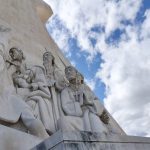
Prince Henry sails for Ceuta
This is the expedition usually taken as the opening of the Age of Discovery, and the fleet was fitted out at Porto. The citizens are said to have given all their meat to the ships and eaten the offal themselves. That is why the people of Porto are still called tripeiros, tripe-eaters, and why tripe stew is the city’s dish.
📍 If you go
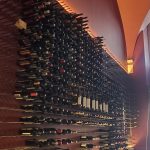
The Methuen Treaty sends port wine to Britain
Britain, at odds with France, cut the duty on Portuguese wine in exchange for admitting British woolens. The wine was fortified with brandy so that it would survive the voyage; that is port. That treaty is why British trading names still line the lodges in Gaia.
📍 If you go


